God is the purest lovehttps://vopus.org/wp-content/uploads/2024/01/dios-es-el-amor-mas-puro-d-eckartshausen.jpg850480V.M. Kwen Khan KhuV.M. Kwen Khan Khuhttps://secure.gravatar.com/avatar/e832d7de00772123ef7f897d80b0841daa13143ee04fa7c99f7a066face011ef?s=96&d=mm&r=g
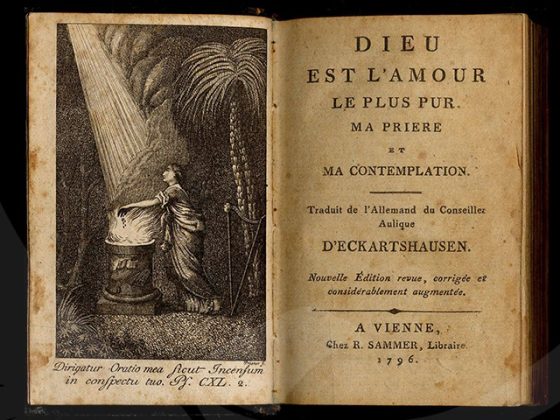
In this artistic work you can see a maiden – an Isis or priestess – doing her ablutions in front of the fire that burns in a cauldron and is connected to luminous rays that come from the heavens.
Hercules at the crossroadshttps://vopus.org/wp-content/uploads/2024/01/hercules-ante-el-cruce-de-caminos-pieter-nolpe.jpg850480V.M. Kwen Khan KhuV.M. Kwen Khan Khuhttps://secure.gravatar.com/avatar/e832d7de00772123ef7f897d80b0841daa13143ee04fa7c99f7a066face011ef?s=96&d=mm&r=g
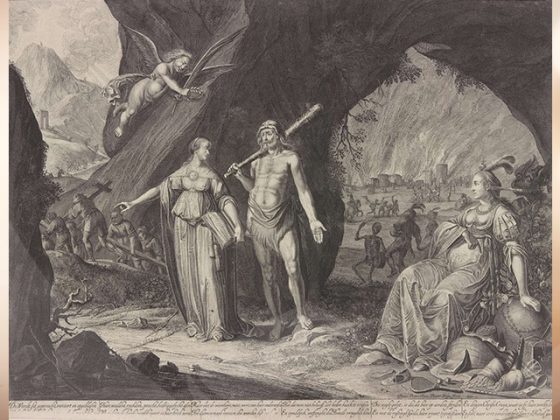
This engraving, “Hercules at the crossroads”, esoterically alludes to the decision that has to be made by every aspirant to become a SOLAR MAN, in other words, by every Bodhisattva who, having already raised his seven Serpents of Fire, must clearly decide between the Dry Path of the alchemist or the Humid Path of the transmutatory art.
When we talk about audacity, we are referring to a quality that not all people possess. It is a quality that a person either already brings from previous existences, or it can be, perhaps, an energy that a human creature has had to develop after having faced various circumstances in his life.
The vision of a knighthttps://vopus.org/wp-content/uploads/2023/12/la-vision-de-un-caballero-kwen-khan-khu.png850480V.M. Kwen Khan KhuV.M. Kwen Khan Khuhttps://secure.gravatar.com/avatar/e832d7de00772123ef7f897d80b0841daa13143ee04fa7c99f7a066face011ef?s=96&d=mm&r=g
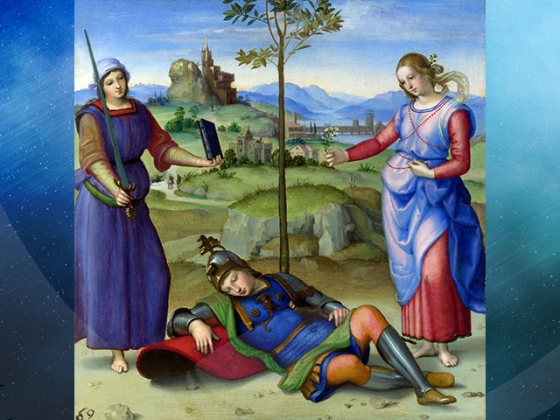
I am communicating with all of you on this occasion to write to you about a work by the great Italian artist called Raphael or Raffaello Sanzio of Urbino ─1483-1520─. The title of this work is ”The vision of a knight”
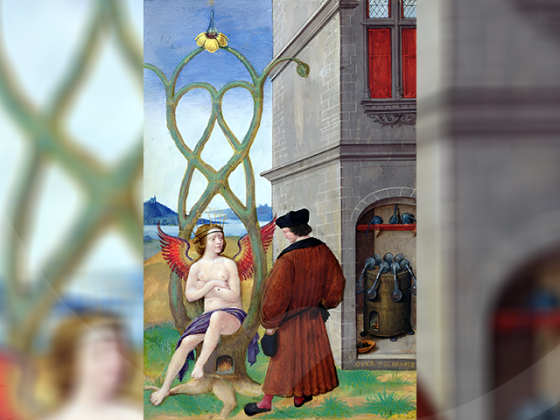
The lament of Nature to the wandering alchemisthttps://vopus.org/wp-content/uploads/2023/12/el-lamento-de-la-naturaleza-contra-el-alquimista-errante-kwen-khan-khu.png850480V.M. Kwen Khan KhuV.M. Kwen Khan Khuhttps://secure.gravatar.com/avatar/e832d7de00772123ef7f897d80b0841daa13143ee04fa7c99f7a066face011ef?s=96&d=mm&r=g
This work of art was created in the year 1516. It was the work of Jean Perreal of Paris.
The central part of this alchemical illustration shows us the Alchemist standing looking at Mercury, who is seated on a hearth, which in turn is part of a tree.
As part of his Machiavellianism, the humanoid of our times has often chosen to want to enrich his impoverished mind with an unpleasant habit, and such a habit is none other than the horrible habit of responding by means of cynicism.
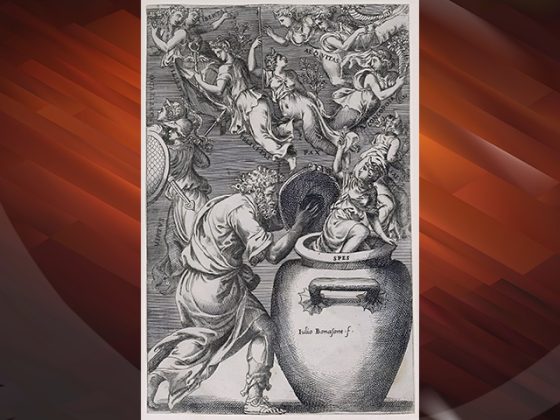
This artwork belongs to Giulio Bonasone, an Italian painter. As Mircea Eliade so well put it in one of his works: “Mythology is the true history, because behind it are the authentic realities but expressed in an enigmatic way”.
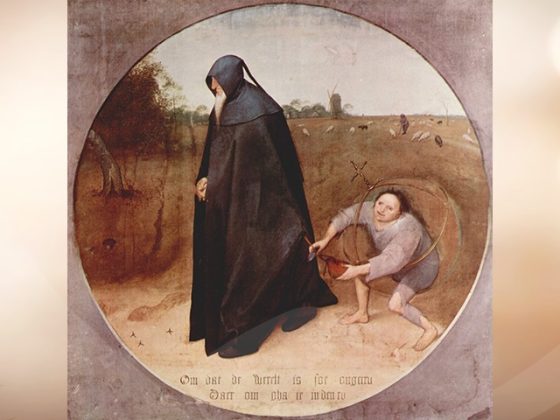
The misanthropehttps://vopus.org/wp-content/uploads/2023/12/el-misantropo-pieter-brueghel-portada.jpg850480V.M. Kwen Khan KhuV.M. Kwen Khan Khuhttps://secure.gravatar.com/avatar/e832d7de00772123ef7f897d80b0841daa13143ee04fa7c99f7a066face011ef?s=96&d=mm&r=g
Dearly beloved companions of the path: I am pleased to send you an explanation about a painting created by the Flemish Renaissance artist named Pieter Brueghel the Elder. It is called: The Misanthrope
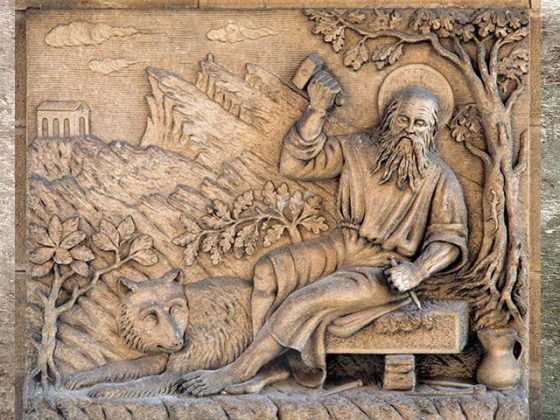
Saint Marinushttps://vopus.org/wp-content/uploads/2023/11/san-marinus-aldo-volpini-1.jpg850480V.M. Kwen Khan KhuV.M. Kwen Khan Khuhttps://secure.gravatar.com/avatar/e832d7de00772123ef7f897d80b0841daa13143ee04fa7c99f7a066face011ef?s=96&d=mm&r=g
According to tradition, San Marino was founded by a Christian stonemason, Marinus the Dalmatian or Saint Marinus. This occurred between the years 275 and 366 AD.
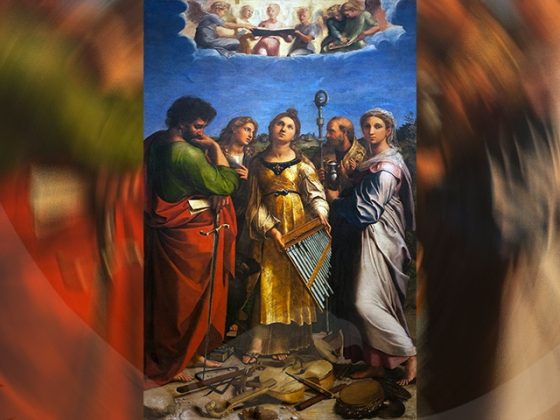
The ecstasy of Saint Ceciliahttps://vopus.org/wp-content/uploads/2023/11/el-extasis-de-santa-cecilia-raffaello-sanzio-2.jpg850480V.M. Kwen Khan KhuV.M. Kwen Khan Khuhttps://secure.gravatar.com/avatar/e832d7de00772123ef7f897d80b0841daa13143ee04fa7c99f7a066face011ef?s=96&d=mm&r=g
The painting shows us Saint Cecilia, dressed in a beautiful golden robe, raising her eyes to the sky and holding an organ in her hands. The organ was a highly revered musical instrument during the Middle Ages and the Renaissance because the music that this instrument emits is very spiritual.
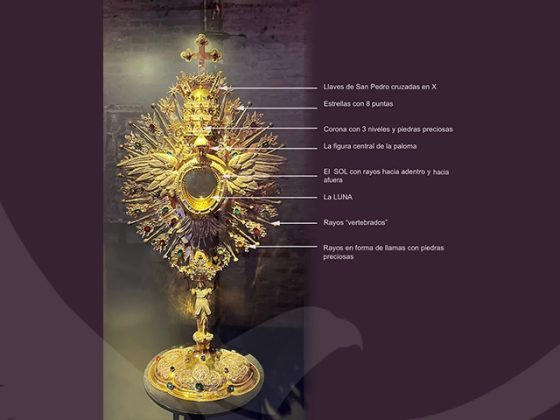
The monstrance of the gothic cathedral of St. Moritzhttps://vopus.org/wp-content/uploads/2023/11/la-custodia-de-la-catedral-gotica-de-st-moritz-kwen-khan-khu.jpg850480V.M. Kwen Khan KhuV.M. Kwen Khan Khuhttps://secure.gravatar.com/avatar/e832d7de00772123ef7f897d80b0841daa13143ee04fa7c99f7a066face011ef?s=96&d=mm&r=g
Monstrance is the liturgical instrument that Catholic Christianity uses in its processions to show the power of the Holy Spirit. These types of instruments are very old and really belong to Gnosticism and not to Catholicism.
The appearance of the Sacred Firehttps://vopus.org/wp-content/uploads/2023/11/la-aparicion-del-fuego-sagrado-kwen-khan-khu.png850480V.M. Kwen Khan KhuV.M. Kwen Khan Khuhttps://secure.gravatar.com/avatar/e832d7de00772123ef7f897d80b0841daa13143ee04fa7c99f7a066face011ef?s=96&d=mm&r=g
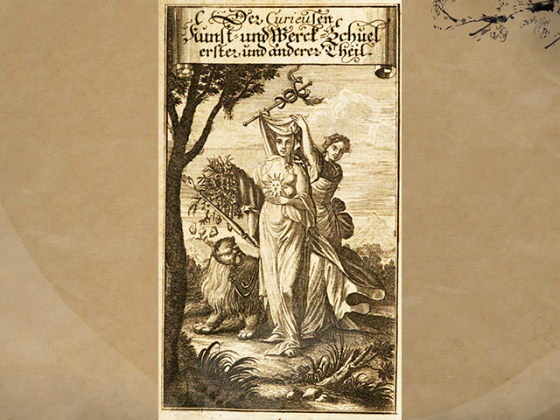
The image shown in this engraving appeared on the first pages of a book entitled The First Part of the Curious School of Art and Work, published in 1696, Des curieusen Kunstund Weerck-Schul ester ─und anderer─. The artist of this engraving was Johann Kunckel, who lived between 1630 and 1703.
The sacred forces of God Motherhttps://vopus.org/wp-content/uploads/2023/10/las-fuerzas-sagradas-de-dios-madre-kwen-khan-khu-1.jpg850480V.M. Kwen Khan KhuV.M. Kwen Khan Khuhttps://secure.gravatar.com/avatar/e832d7de00772123ef7f897d80b0841daa13143ee04fa7c99f7a066face011ef?s=96&d=mm&r=g
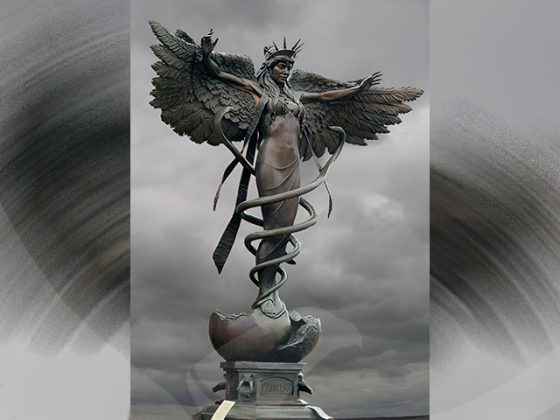
I am pleased, esteemed readers, to send you this sculpture made by an American artist named James Nathan Muir. We have named it as “The sacred forces of God Mother”
The tragedy of our psychic and physical negligencehttps://vopus.org/wp-content/uploads/2023/10/la-tragedia-de-nuestro-abandono-psiquico-y-fisico-kwen-khan-khu.jpg850480V.M. Kwen Khan KhuV.M. Kwen Khan Khuhttps://secure.gravatar.com/avatar/e832d7de00772123ef7f897d80b0841daa13143ee04fa7c99f7a066face011ef?s=96&d=mm&r=g
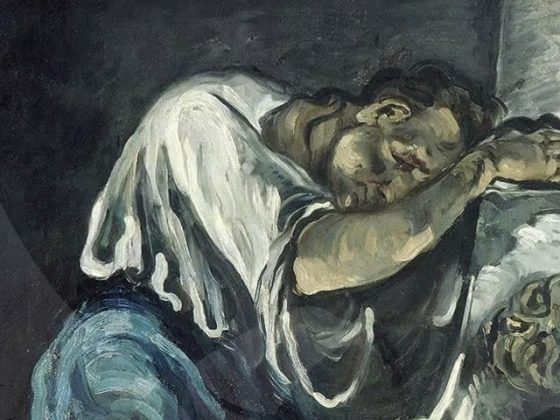
Permitidme haceros llegar desde mi atalaya unas palabras acerca de La tragedia de nuestro abandono psíquico y físico.