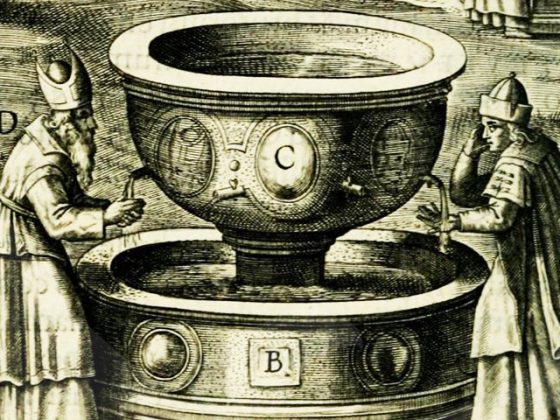
Dear readers, this engraving leads us to question our degrees of purity or purification during our journey through the three-dimensional world:
“Specvlvm pvrgativm”, Mirror of Purification
“Specvlvm fallax” (The mirror that deceives)https://vopus.org/wp-content/uploads/2025/05/el-espejo-que-engana-theodoor-galle.jpg850480V.M. Kwen Khan KhuV.M. Kwen Khan Khuhttps://secure.gravatar.com/avatar/e832d7de00772123ef7f897d80b0841daa13143ee04fa7c99f7a066face011ef?s=96&d=mm&r=g
I take the pen to send you some comments related to the profound importance of approaching the TECHNIQUE OF TRUE self-observation and our longings to live within reality and not within fantasies.
Allegory of the hunthttps://vopus.org/wp-content/uploads/2025/02/alegoria-de-la-caza-giorgio-ghisi-main.jpg850480V.M. Kwen Khan KhuV.M. Kwen Khan Khuhttps://secure.gravatar.com/avatar/e832d7de00772123ef7f897d80b0841daa13143ee04fa7c99f7a066face011ef?s=96&d=mm&r=g
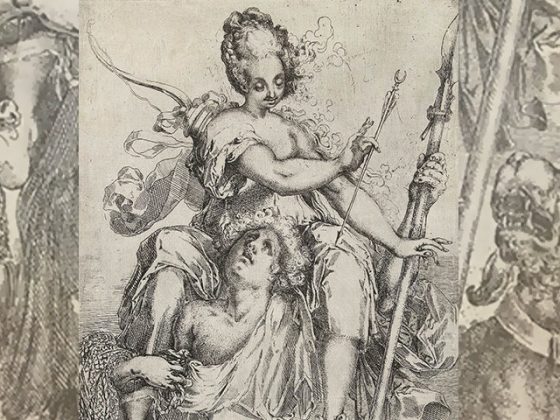
Dear readers, regardless of whether you want to see the goddess Diana associated in this engraving in the company of another deity, what does interest us in Gnosis is the relationship of the chaste Diana with our Divine Mother and the enormous work of hunting down our innumerable psychological aggregates that we carry in our psychic entrails.
The Chimera of Arezzohttps://vopus.org/wp-content/uploads/2025/01/la-quimera-y-la-realidad-kwen-khan-khu.jpg850480V.M. Kwen Khan KhuV.M. Kwen Khan Khuhttps://secure.gravatar.com/avatar/e832d7de00772123ef7f897d80b0841daa13143ee04fa7c99f7a066face011ef?s=96&d=mm&r=g
This sculpture, of Etruscan origin, is made of bronze and is estimated to have been made around 400 BC near the city of Arezzo ─Italy─, where it was found in 1553. It measures 129 cm in length and is 78 cm high. It is currently in the National Archaeological Museum of Florence.
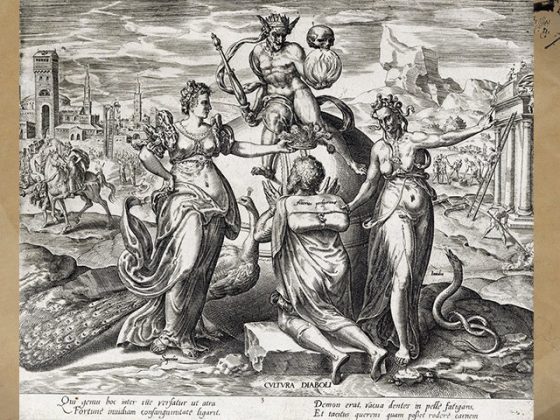
Cultura diabolihttps://vopus.org/wp-content/uploads/2024/07/cultura-diaboli-gerard-van-groeningen-las-cuatro-formas-de-vivir-en-la-tierra.jpg850480V.M. Kwen Khan KhuV.M. Kwen Khan Khuhttps://secure.gravatar.com/avatar/e832d7de00772123ef7f897d80b0841daa13143ee04fa7c99f7a066face011ef?s=96&d=mm&r=g
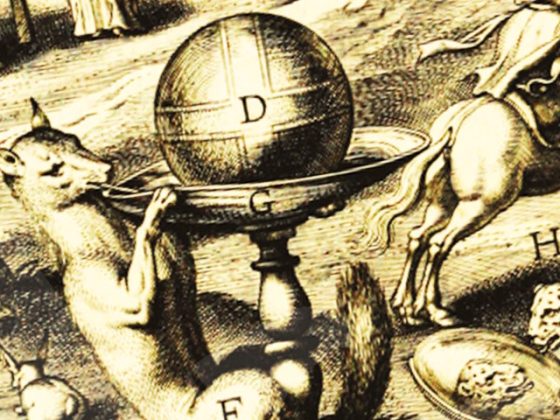
To begin our description, we will say that, if we look at the center of this artistic engraving, we will immediately see the figure of Satan seated on the sphere that represents our world, and this is to show us that, indeed, it is he who, unfortunately, governs the destinies of this human anthill.
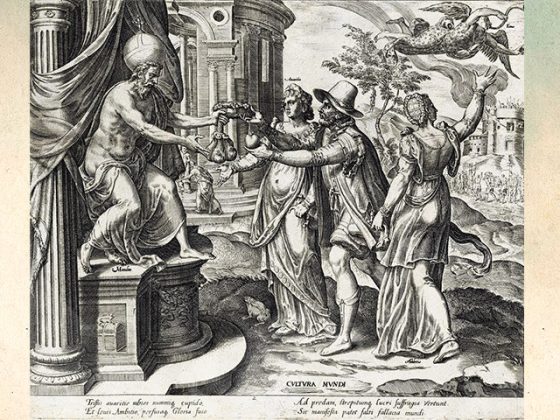
Cultura mundihttps://vopus.org/wp-content/uploads/2024/07/cultura-mundi-gerard-van-groeningen.jpg850480V.M. Kwen Khan KhuV.M. Kwen Khan Khuhttps://secure.gravatar.com/avatar/e832d7de00772123ef7f897d80b0841daa13143ee04fa7c99f7a066face011ef?s=96&d=mm&r=g
I now send you the second engraving of the sequence of four in total made by the Flemish artist Gérard Van Groeningen in 1573. This is the series of engravings encompassed under the title The Four Ways of Living on Earth.
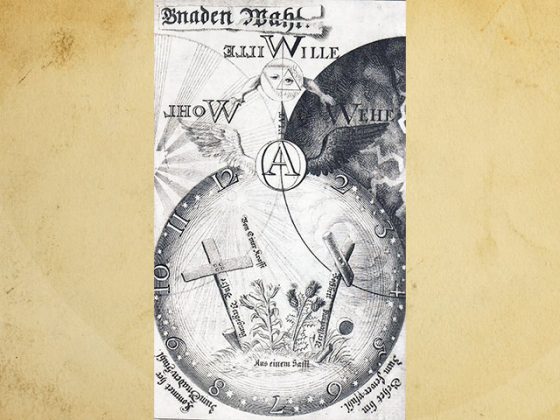
On the choice of gracehttps://vopus.org/wp-content/uploads/2024/03/sobre-la-eleccion-de-la-gracia-jacob-bohme.jpg850480V.M. Kwen Khan KhuV.M. Kwen Khan Khuhttps://secure.gravatar.com/avatar/e832d7de00772123ef7f897d80b0841daa13143ee04fa7c99f7a066face011ef?s=96&d=mm&r=g
But what do we refer to when we speak of the STATE OF GRACE? Without a doubt, we are referring to the search for the salvation of our soul or the values that pertain to it, that is to be in a state of GRACE.
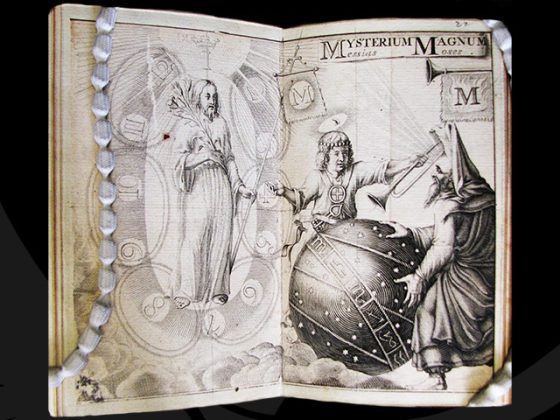
First of all, we must know that this illustration was the work of the great German mystic named Jacob Böhme. This engraving is the title page of a work by the aforementioned author and the publishers asked Jacob Böhme 177 theosophical questions, of which the author answered 15.
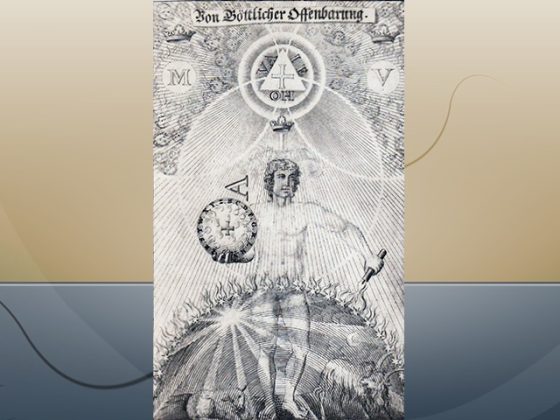
Jesus and Moses https://vopus.org/wp-content/uploads/2024/01/jesus-y-moises-jacob-boehme-portada.jpg850480V.M. Kwen Khan KhuV.M. Kwen Khan Khuhttps://secure.gravatar.com/avatar/e832d7de00772123ef7f897d80b0841daa13143ee04fa7c99f7a066face011ef?s=96&d=mm&r=g
Very endearing readers:
I approach all of you to send you a Gnostic description of the present engraving that corresponds to a book called MISTERIUM MAGNUM and which refers to ”Jesus and Moses”
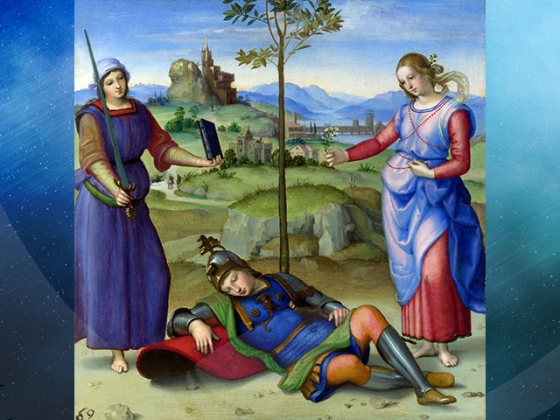
The vision of a knighthttps://vopus.org/wp-content/uploads/2023/12/la-vision-de-un-caballero-kwen-khan-khu.png850480V.M. Kwen Khan KhuV.M. Kwen Khan Khuhttps://secure.gravatar.com/avatar/e832d7de00772123ef7f897d80b0841daa13143ee04fa7c99f7a066face011ef?s=96&d=mm&r=g
I am communicating with all of you on this occasion to write to you about a work by the great Italian artist called Raphael or Raffaello Sanzio of Urbino ─1483-1520─. The title of this work is ”The vision of a knight”