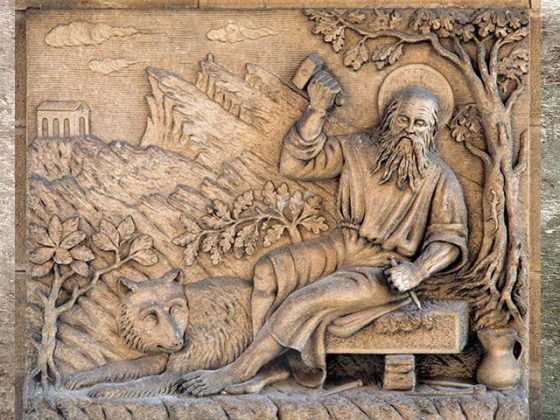
Saint Marinushttps://vopus.org/wp-content/uploads/2023/11/san-marinus-aldo-volpini-1.jpg850480V.M. Kwen Khan KhuV.M. Kwen Khan Khuhttps://secure.gravatar.com/avatar/e832d7de00772123ef7f897d80b0841daa13143ee04fa7c99f7a066face011ef?s=96&d=mm&r=g
According to tradition, San Marino was founded by a Christian stonemason, Marinus the Dalmatian or Saint Marinus. This occurred between the years 275 and 366 AD.
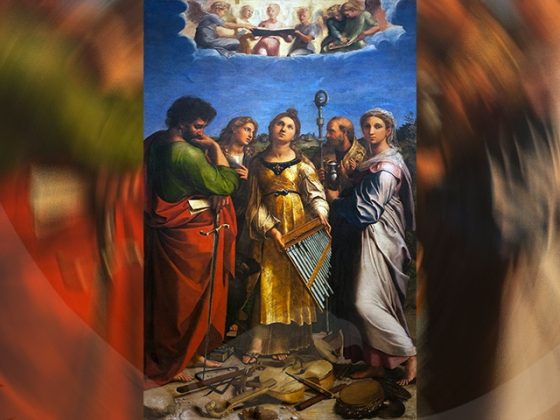
The ecstasy of Saint Ceciliahttps://vopus.org/wp-content/uploads/2023/11/el-extasis-de-santa-cecilia-raffaello-sanzio-2.jpg850480V.M. Kwen Khan KhuV.M. Kwen Khan Khuhttps://secure.gravatar.com/avatar/e832d7de00772123ef7f897d80b0841daa13143ee04fa7c99f7a066face011ef?s=96&d=mm&r=g
The painting shows us Saint Cecilia, dressed in a beautiful golden robe, raising her eyes to the sky and holding an organ in her hands. The organ was a highly revered musical instrument during the Middle Ages and the Renaissance because the music that this instrument emits is very spiritual.
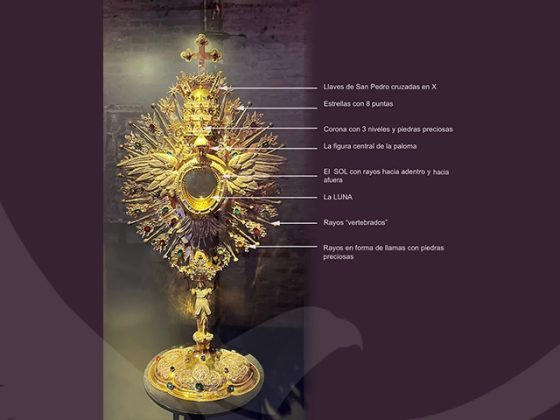
The monstrance of the gothic cathedral of St. Moritzhttps://vopus.org/wp-content/uploads/2023/11/la-custodia-de-la-catedral-gotica-de-st-moritz-kwen-khan-khu.jpg850480V.M. Kwen Khan KhuV.M. Kwen Khan Khuhttps://secure.gravatar.com/avatar/e832d7de00772123ef7f897d80b0841daa13143ee04fa7c99f7a066face011ef?s=96&d=mm&r=g
Monstrance is the liturgical instrument that Catholic Christianity uses in its processions to show the power of the Holy Spirit. These types of instruments are very old and really belong to Gnosticism and not to Catholicism.
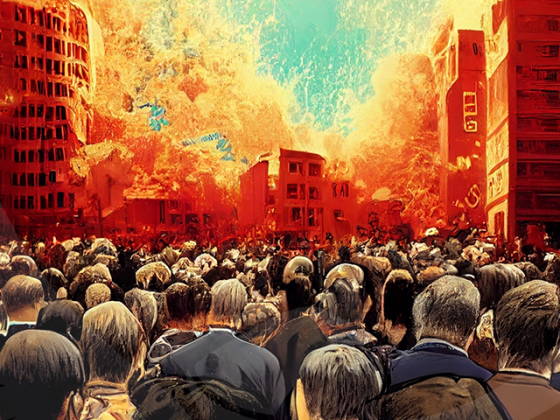
A reflection on our lifestylehttps://vopus.org/wp-content/uploads/2023/09/una-reflexion-sobre-nuestro-estilo-de-vida-kwen-khan-khu.png850480V.M. Kwen Khan KhuV.M. Kwen Khan Khuhttps://secure.gravatar.com/avatar/e832d7de00772123ef7f897d80b0841daa13143ee04fa7c99f7a066face011ef?s=96&d=mm&r=g
In this way the human race has lost its status as a thinking creature endowed with metaphysical faculties latent in its depths, to end up being a larva that walks but goes nowhere.
Perspectives on magichttps://vopus.org/wp-content/uploads/2023/09/perspectivas-sobre-la-magia-kwen-khan-khu.png850480V.M. Kwen Khan KhuV.M. Kwen Khan Khuhttps://secure.gravatar.com/avatar/e832d7de00772123ef7f897d80b0841daa13143ee04fa7c99f7a066face011ef?s=96&d=mm&r=g
According to historians, it is a work of theosophical character that contains various themes of natural philosophy and esotericism, taking elements from Kabbalah and Hermeticism.
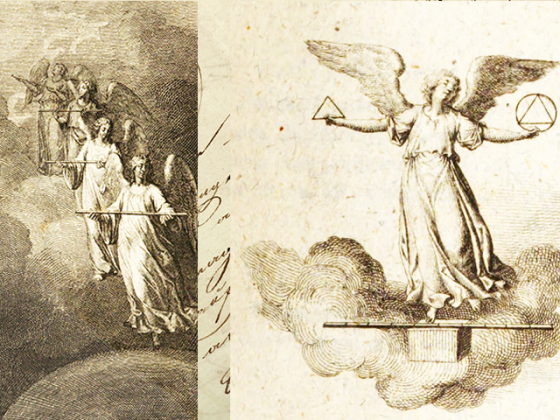
The four Tetrasustainershttps://vopus.org/wp-content/uploads/2023/09/los-cuatro-tetrasustentadores-kwen-khan-khu.png850480V.M. Kwen Khan KhuV.M. Kwen Khan Khuhttps://secure.gravatar.com/avatar/e832d7de00772123ef7f897d80b0841daa13143ee04fa7c99f7a066face011ef?s=96&d=mm&r=g
It is important to note that the word tetrasustainers must be interpreted as ‘the four who sustain’… And what do they sustain? Answer: Nothing less and nothing more than our Universe.
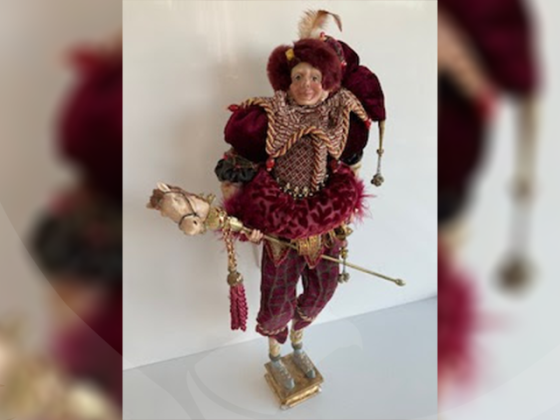
The alchemical mystery of the jesterhttps://vopus.org/wp-content/uploads/2023/09/el-misterio-alquimico-del-bufon-kwen-khan-khu.png850480V.M. Kwen Khan KhuV.M. Kwen Khan Khuhttps://secure.gravatar.com/avatar/e832d7de00772123ef7f897d80b0841daa13143ee04fa7c99f7a066face011ef?s=96&d=mm&r=g
I am pleased to send you all a very interesting comment about the figure who in medieval times was called the JESTER.
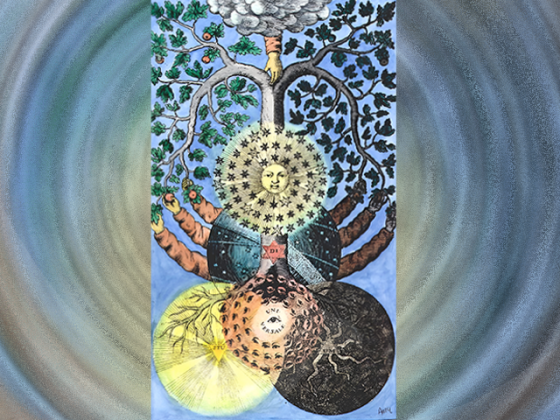
Tree of light and darknesshttps://vopus.org/wp-content/uploads/2023/08/arbol-de-la-luz-y-de-la-oscuridad-kwen-khan-khu.png850480V.M. Kwen Khan KhuV.M. Kwen Khan Khuhttps://secure.gravatar.com/avatar/e832d7de00772123ef7f897d80b0841daa13143ee04fa7c99f7a066face011ef?s=96&d=mm&r=g
First of all, appreciated reader, we must say that this illustration appears in the book entitled Studium Universale, written by Valentine Weigel, who was a German philosopher, writer and mystic from Saxony and, according to some, a precursor of Theosophy.