I share with you these new clarifications on eternal Gnostic concepts: What are the gunas? What are the tattvas? What is Totemism? What is the firmament as mentioned in the Bible, in Genesis? etc.
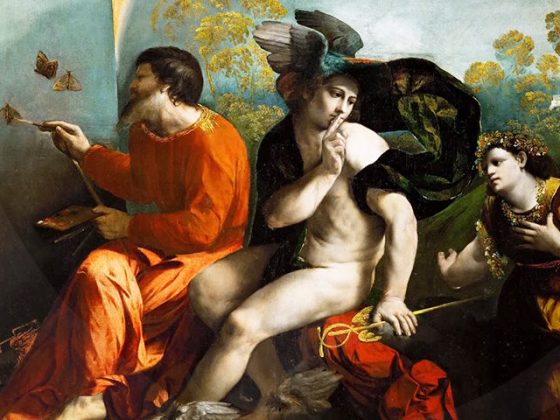
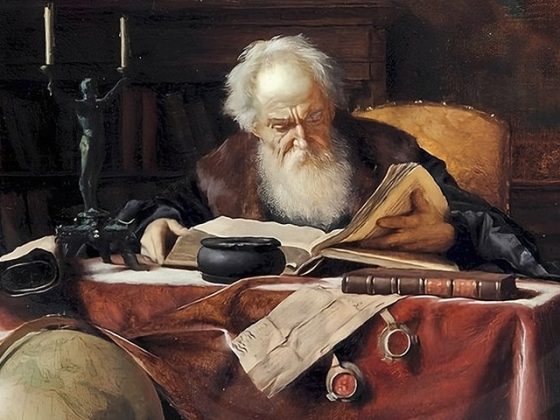
Mercury and Virtuehttps://vopus.org/wp-content/uploads/2026/03/mercurio-y-la-virtud-dosso-dossi-default.jpg850480V.M. Kwen Khan KhuV.M. Kwen Khan Khuhttps://secure.gravatar.com/avatar/e832d7de00772123ef7f897d80b0841daa13143ee04fa7c99f7a066face011ef?s=96&d=mm&r=g
I am pleased to bring you, on this occasion, this beautiful artistic work by the Italian Renaissance painter Dosso Dossi (1489-1542). The painting is preserved in the Royal Castle of Wawel, Krakow.
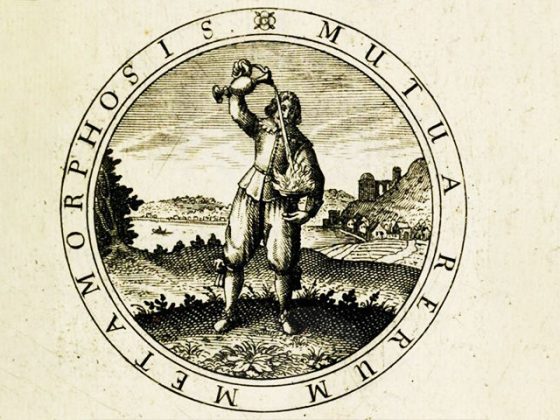
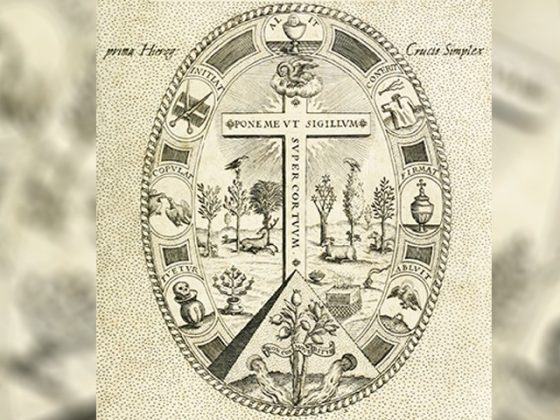
“Symbola divina & humana pontificum, imperatorum, regum” (Divine and human symbols of pontiffs, emperors and kings)https://vopus.org/wp-content/uploads/2026/01/sImbolos-divinos-y-humanos-de-pontIfices-emperadores-y-reyes-default.jpg850480V.M. Kwen Khan KhuV.M. Kwen Khan Khuhttps://secure.gravatar.com/avatar/e832d7de00772123ef7f897d80b0841daa13143ee04fa7c99f7a066face011ef?s=96&d=mm&r=g
I am sending you an image that appears in the book Symbola divina & humana pontificum, imperatorum, regum ─’DIVINE AND HUMAN SYMBOLS OF PONTIFFS, EMPERORS AND KINGS’─ published in 1601 in Prague.
Dear Master, please allow me to ask you a few questions. Although these are things that you have already explained several times, it would help me to review and receive more food for thought from you.
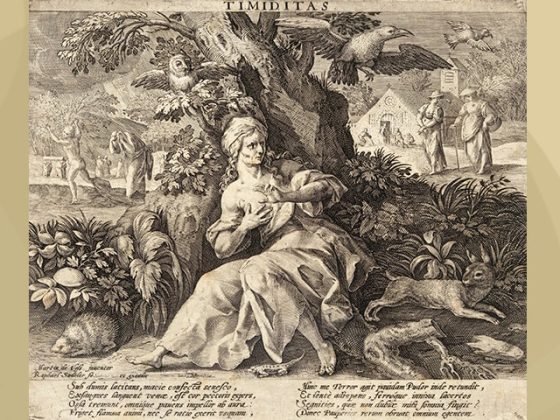
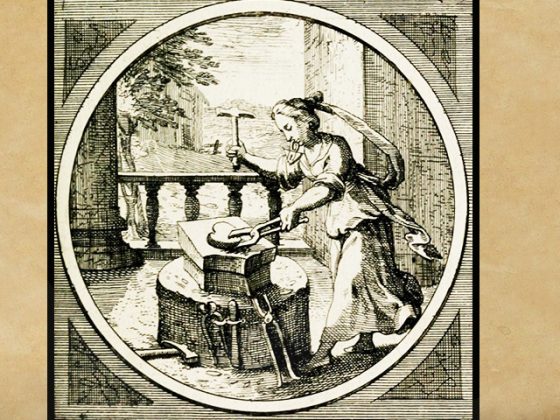
We could conclude the following about the two couples mentioned above: terror makes us flee, but modesty contains that impetus of fear, indolence limits action, but it has to stop when poverty, which is a consequence of indolence itself, forces us to act.
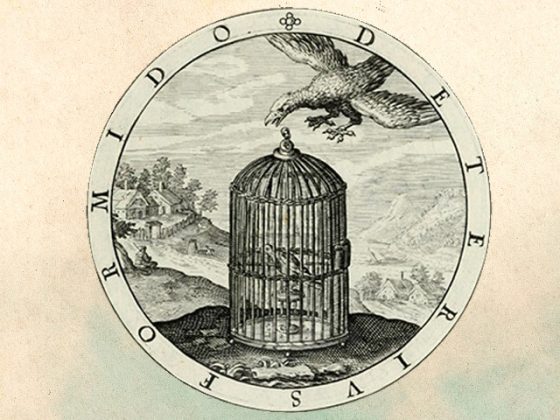
“Deterivs formido” (I fear the worst)https://vopus.org/wp-content/uploads/2025/10/deterivs-formido-temo-lo-peor-nucleus-emblematum-selectissimorum.jpg850480V.M. Kwen Khan KhuV.M. Kwen Khan Khuhttps://secure.gravatar.com/avatar/e832d7de00772123ef7f897d80b0841daa13143ee04fa7c99f7a066face011ef?s=96&d=mm&r=g
On this occasion, I am sending you the eighty-fourth emblem of the book Nucleus emblematum selectissimorum, ‘The Nucleus of the Most Select Emblems’, with the texts in Latin and Old French and a possible translation.
“Nil sit in ore, qvod non prius in sensu” (There is nothing in the mouth that has not been in the sense before)https://vopus.org/wp-content/uploads/2025/09/no-haya-nada-en-la-boca-que-antes-no-haya-estado-en-el-sentido-daniel-cramer-default.jpg850480V.M. Kwen Khan KhuV.M. Kwen Khan Khuhttps://secure.gravatar.com/avatar/e832d7de00772123ef7f897d80b0841daa13143ee04fa7c99f7a066face011ef?s=96&d=mm&r=g
I send you this forty-fifth emblem from Daniel Cramer’s book of emblems entitled: “Nil sit in ore, qvod non prius in sensu” (There is nothing in the mouth that has not been in the sense before)