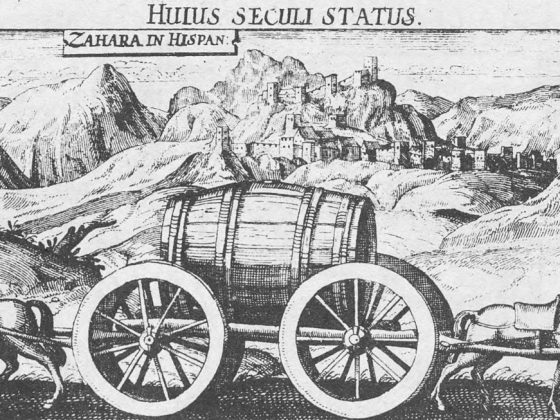
“Huius seculi status” (The state of this age)https://vopus.org/wp-content/uploads/2026/06/huius-seculi-status-daniel-meisner-defaut.jpg1157653V.M. Kwen Khan KhuV.M. Kwen Khan Khuhttps://secure.gravatar.com/avatar/e832d7de00772123ef7f897d80b0841daa13143ee04fa7c99f7a066face011ef?s=96&d=mm&r=g
This engraving refers us to what our Patriarch tells us about THE INTERMEDIATE MIND. When we are prisoners of the intermediate mind we only act in the form of contradictions, like the characters pulling the cart in opposite directions.
Friends, this illustration shown in this engraving points out to us the nefarious presence of the psychological aggregate of selfishness and greed in our psychic anatomy.
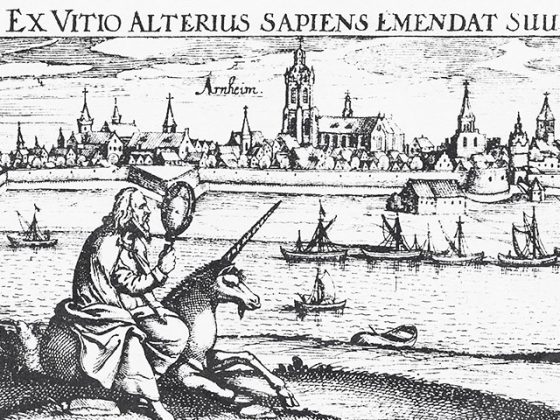
“Ex vitio alterius sapiens emendat suum” (From the error of others, the sage amends his own)https://vopus.org/wp-content/uploads/2026/06/ex-vitio-alterius-sapiens-emendat-suum-el-sabio-corrige-sus-errores-daniel-meisner-default.jpg850480V.M. Kwen Khan KhuV.M. Kwen Khan Khuhttps://secure.gravatar.com/avatar/e832d7de00772123ef7f897d80b0841daa13143ee04fa7c99f7a066face011ef?s=96&d=mm&r=g
First, we must begin by pointing out that this engraving alludes to the alchemical art. That is why we see the alchemist looking at himself in a mirror, and this brings us to the topic directly related to the subject that speaks to us: the mirror of Alchemy.
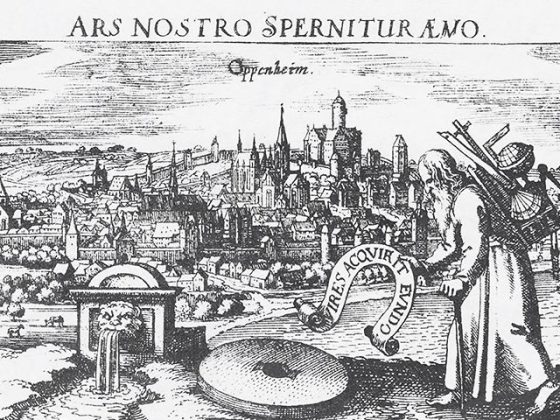
“Ars nostro spernitur ævo” ([Hermetic] art is despised in our age)https://vopus.org/wp-content/uploads/2026/05/el-arte-hermetico-es-despreciado-en-nuestra-epoca-daniel-meisner-default.jpg850480V.M. Kwen Khan KhuV.M. Kwen Khan Khuhttps://secure.gravatar.com/avatar/e832d7de00772123ef7f897d80b0841daa13143ee04fa7c99f7a066face011ef?s=96&d=mm&r=g
The central figure is an old man, a scholar or artist, walking and carrying on his back a huge basket full of instruments and tools: a compass, a square, a ruler, an ancient astronomical instrument that resembles a cross and that is used to calculate the distance between two celestial bodies, a globe of the Earth, etc. etc.
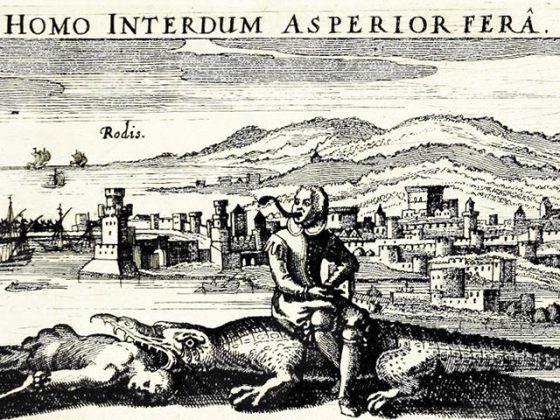
“Homo interdum asperior fera” (Man is more ferocious than the beast)https://vopus.org/wp-content/uploads/2026/05/el-hombre-es-mas-feroz-que-la-bestia-daniel-meisner-default.jpg850480V.M. Kwen Khan KhuV.M. Kwen Khan Khuhttps://secure.gravatar.com/avatar/e832d7de00772123ef7f897d80b0841daa13143ee04fa7c99f7a066face011ef?s=96&d=mm&r=g
The present engraving belongs to the same book Thesaurus Philo-Politicus published from 1623 by the poet Daniel Meisner and the engraver and publisher Eberhard Kieser.
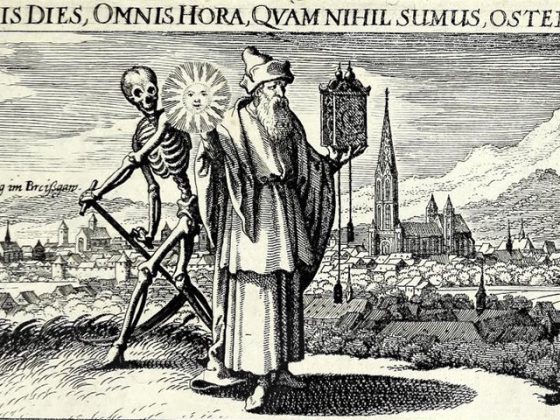
“Omnis dies, omnis hora, qvam nihil sumus, ostendit” (Every day, every hour shows us how insignificant we are)https://vopus.org/wp-content/uploads/2026/05/lo-insignificantes-que-somos-daniel-meisner-default.jpg850480V.M. Kwen Khan KhuV.M. Kwen Khan Khuhttps://secure.gravatar.com/avatar/e832d7de00772123ef7f897d80b0841daa13143ee04fa7c99f7a066face011ef?s=96&d=mm&r=g
The image is an allegorical engraving from the 17th century entitled Omnis dies, omnis hora, qvam nihil sumus, ostendit, ‘Every day, every hour shows us how insignificant we are’, which makes us see our own nothingness. The work is part of the famous Thesaurus Philo-Politicus series, published by Daniel Meisner and Eberhard Kieser in Frankfurt from 1623 onwards.
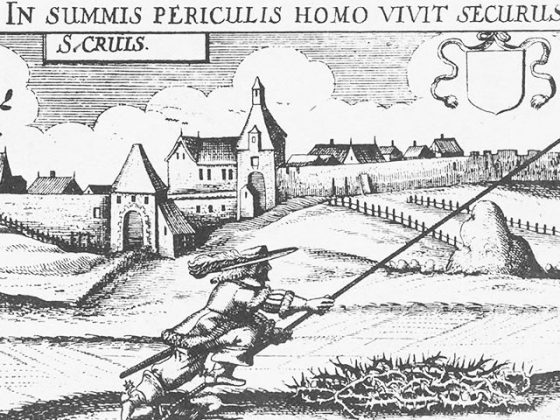
“Considera cuid, cui et qvo” (Consider what [you say] to whom [you say it] and where [you are])https://vopus.org/wp-content/uploads/2026/04/considera-cuid-cui-et-qvo-daniel-meisner-default.jpg850480V.M. Kwen Khan KhuV.M. Kwen Khan Khuhttps://secure.gravatar.com/avatar/e832d7de00772123ef7f897d80b0841daa13143ee04fa7c99f7a066face011ef?s=96&d=mm&r=g
This engraving is part of a vast and famous series of drawings made for the book Thesaurus Philopoliticus (1623). The series consists of more than eight hundred reproductions of urban landscapes to which the German poet Daniel Meisner and the publisher Eberhar Kieser added a message and a symbolic image.
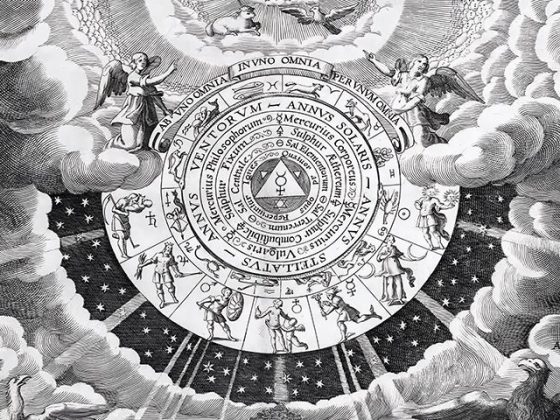
This engraving was made by the German artist Wolfgang Kilian and was published in an alchemical and medical book written by the German physician Malachias Geiger entitled Microcosmus Hypochondriaca Tractatus (1652) ‘The Hypochondriac Microcosm on Hypochondriac Melancholy’.



![Consider what [you say] to whom [you say it] and where [you are], Daniel Meisner](https://vopus.org/wp-content/uploads/2026/04/considera-cuid-cui-et-qvo-daniel-meisner-default-560x420.jpg "Consider what [you say] to whom [you say it] and where [you are], Daniel Meisner")