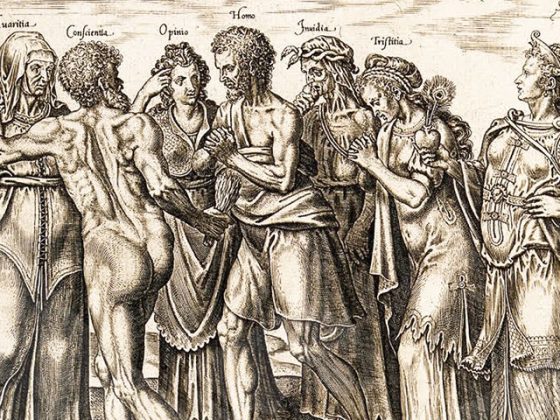
A man prays to the Consciousness https://vopus.org/wp-content/uploads/2025/07/un-hombre-reza-a-la-conciencia-philip-galle-default.jpg850480Editor VOPUSEditor VOPUShttps://secure.gravatar.com/avatar/da2736838b11fa68bd81be593e0d9d69149683f26c789ef95ad39ca72425872e?s=96&d=mm&r=g
The first engraving with its Latin phrases/sentences takes us to self-analysis for us to realize that, certainly, the Ego has its nooks and crannies, its recesses where it usually hides to continue bothering us with its psychological tricks.
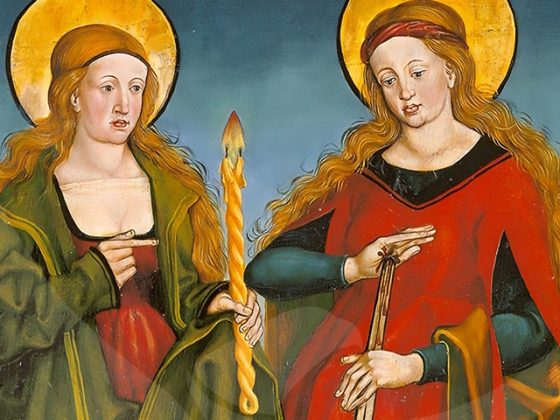
“Tolerantia in adversis adfert notionem dei” (Tolerance in adversity produces knowledge of God)https://vopus.org/wp-content/uploads/2025/06/la-tolerancia-en-la-adversidad-produce-conocimiento-de-dios-marten-van-heemskerck-default.jpg850480V.M. Kwen Khan KhuV.M. Kwen Khan Khuhttps://secure.gravatar.com/avatar/e832d7de00772123ef7f897d80b0841daa13143ee04fa7c99f7a066face011ef?s=96&d=mm&r=g
Estos grabados pertenecen a una serie de 14 dibujos llamada La Escalera de Jacob o La alegoría del camino a la salvación eterna, impresos por Dirck Volckertszoon en 1550. Los grabados llevan la firma del pintor neerlandés Maarten Van Heemskerck como su creador.