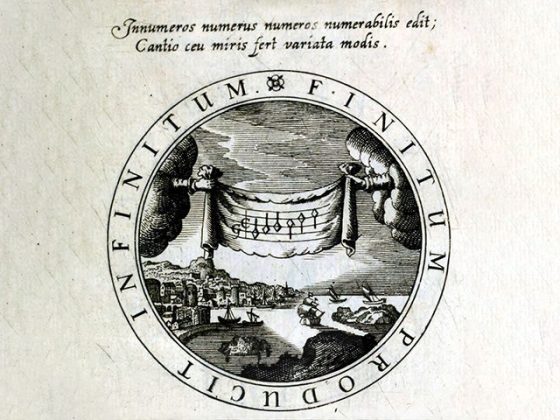
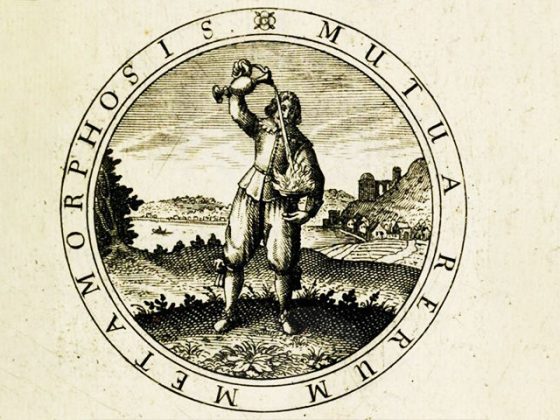
“Finitum producit infinitum” (The finite produces the infinite)https://vopus.org/wp-content/uploads/2026/03/finitum-producit-infinitum-jakob-bornitz-default.jpg850480V.M. Kwen Khan KhuV.M. Kwen Khan Khuhttps://secure.gravatar.com/avatar/e832d7de00772123ef7f897d80b0841daa13143ee04fa7c99f7a066face011ef?s=96&d=mm&r=g
We can see a cloth on which musical notes are written, giving us to understand that the basis of creation lies in them and in the octaves that we can perceive. This is one of the mysteries that surround the THEOMEGALOGOS Himself.
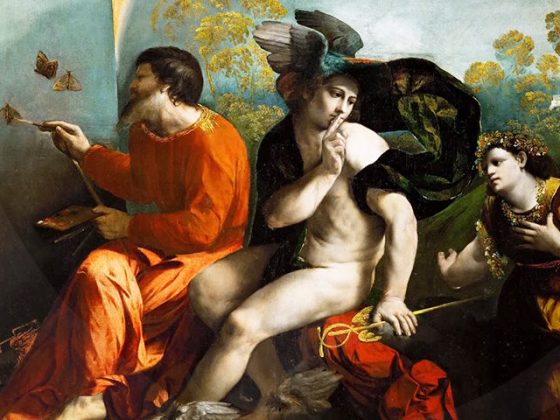
Mercury and Virtuehttps://vopus.org/wp-content/uploads/2026/03/mercurio-y-la-virtud-dosso-dossi-default.jpg850480V.M. Kwen Khan KhuV.M. Kwen Khan Khuhttps://secure.gravatar.com/avatar/e832d7de00772123ef7f897d80b0841daa13143ee04fa7c99f7a066face011ef?s=96&d=mm&r=g
I am pleased to bring you, on this occasion, this beautiful artistic work by the Italian Renaissance painter Dosso Dossi (1489-1542). The painting is preserved in the Royal Castle of Wawel, Krakow.
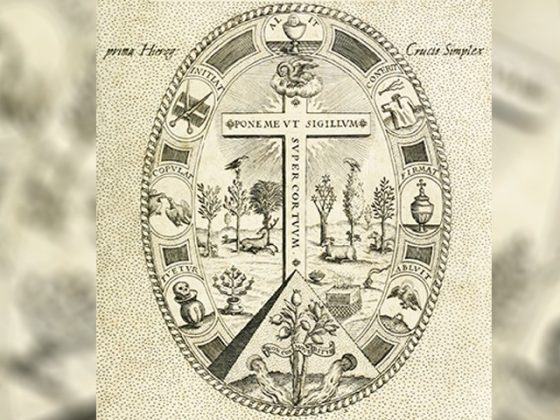
“Symbola divina & humana pontificum, imperatorum, regum” (Divine and human symbols of pontiffs, emperors and kings)https://vopus.org/wp-content/uploads/2026/01/sImbolos-divinos-y-humanos-de-pontIfices-emperadores-y-reyes-default.jpg850480V.M. Kwen Khan KhuV.M. Kwen Khan Khuhttps://secure.gravatar.com/avatar/e832d7de00772123ef7f897d80b0841daa13143ee04fa7c99f7a066face011ef?s=96&d=mm&r=g
I am sending you an image that appears in the book Symbola divina & humana pontificum, imperatorum, regum ─’DIVINE AND HUMAN SYMBOLS OF PONTIFFS, EMPERORS AND KINGS’─ published in 1601 in Prague.
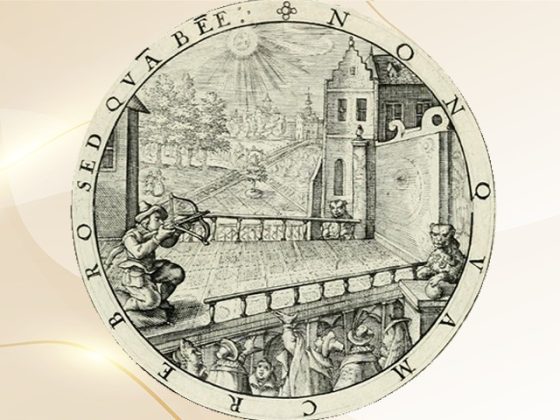
“Non qvam crebro, sed qvam bene” (Not how often, but how well)https://vopus.org/wp-content/uploads/2025/10/non-qvam-crebro-sed-qvam-bene-nucleus-emblematum-selectissimorum.jpg850480V.M. Kwen Khan KhuV.M. Kwen Khan Khuhttps://secure.gravatar.com/avatar/e832d7de00772123ef7f897d80b0841daa13143ee04fa7c99f7a066face011ef?s=96&d=mm&r=g
Os envío el vigésimo quinto emblema del libro Nucleus emblematum selectissimorum, ‘el núcleo de los emblemas más selectos’.
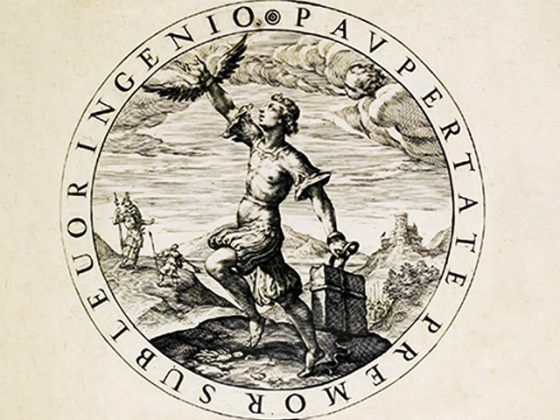
“Pavpertate premor subleuor ingenio” (I am brought down by poverty, and lifted up by natural inclination)https://vopus.org/wp-content/uploads/2025/09/soy-abatido-por-la-pobreza-y-levantado-por-la-inclinacion-natural-default.jpg850480V.M. Kwen Khan KhuV.M. Kwen Khan Khuhttps://secure.gravatar.com/avatar/e832d7de00772123ef7f897d80b0841daa13143ee04fa7c99f7a066face011ef?s=96&d=mm&r=g
On this occasion, I am sending you a drawing that appears in another book of emblems entitled Selectorum emblematum ─’Selected emblems’─. The texts belong to the German poet Gabrielis Rollenhagi (1583-1619), and the engravings to Crispijn van de Passe and Jan Jansson (1588-1664).
“Spes et patientia vincit” (Hope and patience win)https://vopus.org/wp-content/uploads/2025/08/la-esperanza-y-la-paciencia-vencen-daniel-cramer-emblema-31-default.jpg850480V.M. Kwen Khan KhuV.M. Kwen Khan Khuhttps://secure.gravatar.com/avatar/e832d7de00772123ef7f897d80b0841daa13143ee04fa7c99f7a066face011ef?s=96&d=mm&r=g
In 1630 a book of emblems by Daniel Cramer was published called OCTOGINTA EMBLEMATA MORALIA NOVA ─’eighty new moral emblems’─.
This is the emblem number 31.
“Nicomaxia vitae” (The victorious battle of life)https://vopus.org/wp-content/uploads/2025/07/nicomaxia-vitae-kwen-khan-khu.jpg850480V.M. Kwen Khan KhuV.M. Kwen Khan Khuhttps://secure.gravatar.com/avatar/e832d7de00772123ef7f897d80b0841daa13143ee04fa7c99f7a066face011ef?s=96&d=mm&r=g
The title of our engraving invites us to fight for our lives, to fight for our Christ, and the Latin words, translated, tell us that everything is, in truth, an absolute vanity…
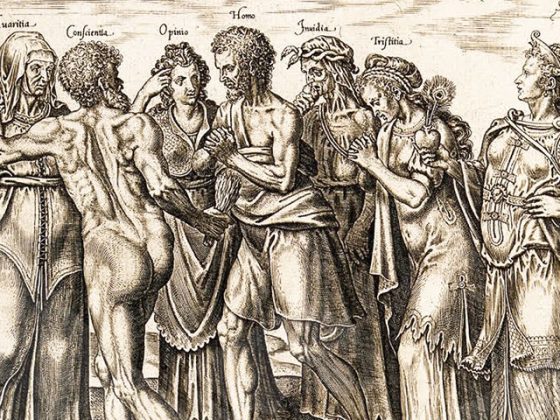
A man prays to the Consciousness https://vopus.org/wp-content/uploads/2025/07/un-hombre-reza-a-la-conciencia-philip-galle-default.jpg850480Editor VOPUSEditor VOPUShttps://secure.gravatar.com/avatar/da2736838b11fa68bd81be593e0d9d69149683f26c789ef95ad39ca72425872e?s=96&d=mm&r=g
The first engraving with its Latin phrases/sentences takes us to self-analysis for us to realize that, certainly, the Ego has its nooks and crannies, its recesses where it usually hides to continue bothering us with its psychological tricks.
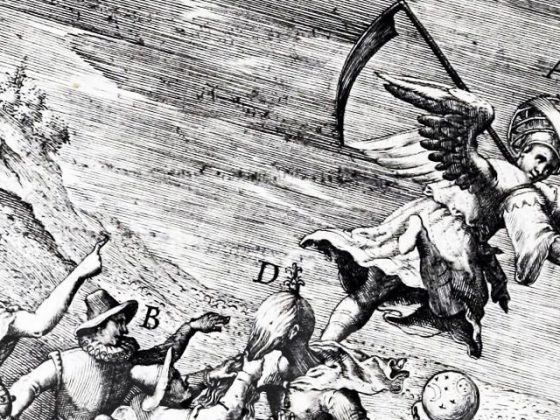
“Dvm tempvs labitvr, occasionem frente capillatam remorantvr” (While time flees, they retain, apparently, the long-haired opportunity)https://vopus.org/wp-content/uploads/2025/06/dvm-tempvs-labitvr-occasionem-frente-capillatam-remorantvr-default.jpg850480V.M. Kwen Khan KhuV.M. Kwen Khan Khuhttps://secure.gravatar.com/avatar/e832d7de00772123ef7f897d80b0841daa13143ee04fa7c99f7a066face011ef?s=96&d=mm&r=g
This engraving clearly speaks to us of the imperative need to seize the opportunity ─Occasio─ and retain it in order to take advantage of it, as the engraving shows us. Young people represent humanity in general when they become ─at least temporarily─ aware of knowing how to steal from time the opportunities that sometimes appear in the course of it.